
Toots from 2025-08-06#
Cockatoos: 30 Me: 0 <https://arstechnica.com/science/2025/08/cockatoos-know-30-distinct-dance-m…#
Cockatoos: 30
Me: 0
https://arstechnica.com/science/2025/08/cockatoos-know-30-distinct-dance-moves/
Mastodon Source 🐘#
Watchman is a pretty handy CLI tool that watches for FS events & triggers commands. <https://fac…#
Watchman is a pretty handy CLI tool that watches for FS events & triggers commands.
https://facebook.github.io/watchman/
Mastodon Source 🐘#
One of the more persistent and invalidating underlying tech assumptions is that all change is abo…#
One of the more persistent and invalidating underlying tech assumptions is that all change is about individual agency. It’s a 1970s neoclassical, Chicago school microeconomics worldview without even the cloak of mathematics.
Context: “The software developer role is set on a path of significant change. Not everyone will want to make the change,” the CEO wrote.
https://www.businessinsider.com/github-ceo-developers-embrace-ai-or-get-out-2025-8
Mastodon Source 🐘#
Alternative take: people work in systems that expect existing or rising levels of production in accordance with their role expectations. The institutions do not create slack for people to learn (regardless of whether they should be learning this tool). People are stuck in a double bind: continue to produce while investing additional unallocated time in new work with no tangible output.
From the article: “Through trial and error, these people have evolved from skeptics to AI strategists,…” What does the institution do to provide safety such that “errors” are perceived as learning opportunities rather than individual performative failures?
It’s an intentional, shared leadership vision that those “errors” are not weaponized (eg: stack ranking across team for “failing to deliver”) and instead as used as a non-zero sum organizational growth opportunity. This isn’t about a single person’s “reluctance to change”. It’s about an entire organization’s desire to enable change.
There’s several other economic and non-economic traditions that call out the fallacy of Homo economicus.
Mastodon Source 🐘#
From the original: https://ashtom.github.io/developers-reinvented
“In recent interviews we spoke with 22 developers that already use AI tools heavily in their workflow, and learned how they got there, how their craft has changed, and where they see things going.”
Mastodon Source 🐘#
“Fundamentals: Understanding and reasoning about code and systems remains critical. Despite AI’s code generation capabilities, developers need a deep understanding of programming basics, algorithms, data structures, and overall software systems.”
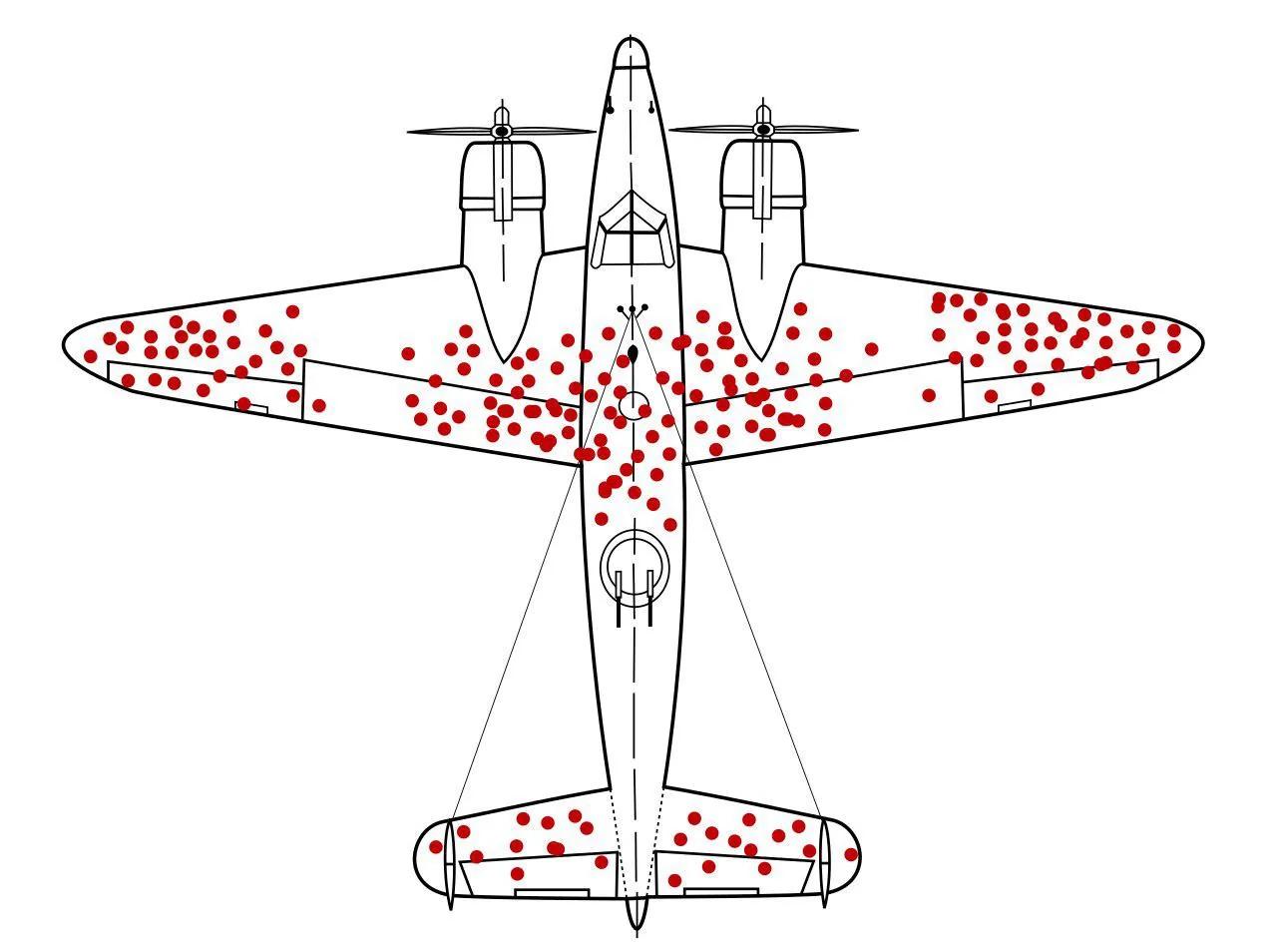
How will people accumulate those skills? Many of those skills are about noting things that are absent.
Mastodon Source 🐘#
“Let’s start by looking at the simple math of 10-100x productivity. 10x productivity means ten …#
“Let’s start by looking at the simple math of 10-100x productivity. 10x productivity means ten times the outcomes, not ten times the lines of code. This means what you used to ship in a quarter you now ship in a week and a half. These numbers should make even the truest AI believer pause. The amount of product ideation, story point negotiation, bugfixing, code review, waiting for deployments, testing, and QA in that go into what was traditionally 3 months of work is now getting done in 7 work days?”
https://colton.dev/blog/curing-your-ai-10x-engineer-imposter-syndrome/